


- 3 October 2025, 12:00–13:00, Waalse Kerk Breda
- 12 October 2025, 11:00–14:00 (incl. lunch), Kasteel Limbricht
- 17 October 2025, 12:00–13:00, Waalse Kerk Breda
- 23 October 2025, 12:30–13:20, Muziekgebouw Eindhoven
- 9 November 2025, 11:30–12:30, Theater aan het Vrijthof
- 20 November 2025, 12:30–13:20, Muziekgebouw Eindhoven
- 28 November 2025, 12:00–13:00, Waalse Kerk Breda
- 30 November 2025, 15:00–16:30, ECI Cultuurfabriek Roermond
- 13 December 2025, 12:30–13:45, Azijnfabriek Den Bosch
- 14 December 2025, 11:00–14:00 (incl. lunch), Kasteel Limbricht
- 11 January 2026, 11:30–12:30, Theater aan het Vrijthof
- 18 January 2026, 11:00–12:00, Hofnar Valkenswaard
- 22 January 2026, 12:30–13:20, Muziekgebouw Eindhoven
- 31 January 2026 (previously 17 January), 20:00–22:00, Kopermolen Vaals
- 19 February 2026, 12:30–13:20, Muziekgebouw Eindhoven
- 1 March 2026, 11:30–12:30, Theater aan het Vrijthof
- 12 March 2026, 12:30–13:20, Muziekgebouw Eindhoven
- 14 March 2026, 12:30–13:45, Azijnfabriek Den Bosch
- 28 March 2026, 12:30–13:45, Azijnfabriek Den Bosch
- 29 March 2026, 11:00–12:00, Maene Rekem
- 23 April 2026, 12:30–13:20, Muziekgebouw Eindhoven
- 26 April 2026, 11:30–12:30, Theater aan het Vrijthof
- 2 May 2026, 12:30–13:45, Azijnfabriek Den Bosch
- 3 May 2026, 11:30–±13:00, Kunstkring Echt
- 31 May 2026, 11:30–12:30, Theater aan het Vrijthof
Moving Concerts by Conservatorium Maastricht
In the Moving Concerts, Conservatorium Maastricht collaborates with concert stages in the Euregion. This way they provide concert opportunities for top ensembles, top soloists and other larger ensembles or orchestras. This way, the Euregion can experience what these young musicians can offer, and students can experience how a professional performing career might be like. These young musicians, or ‘moving musicians’, learn about a professional attitude next to their excellent performance quality, which will help them in their professional career. The ‘moving musician’ touches, affects, thrills…

October 2025 - May 2026
Moving Concerts 2025 - 2026
various locations
October 2025 - May 2026
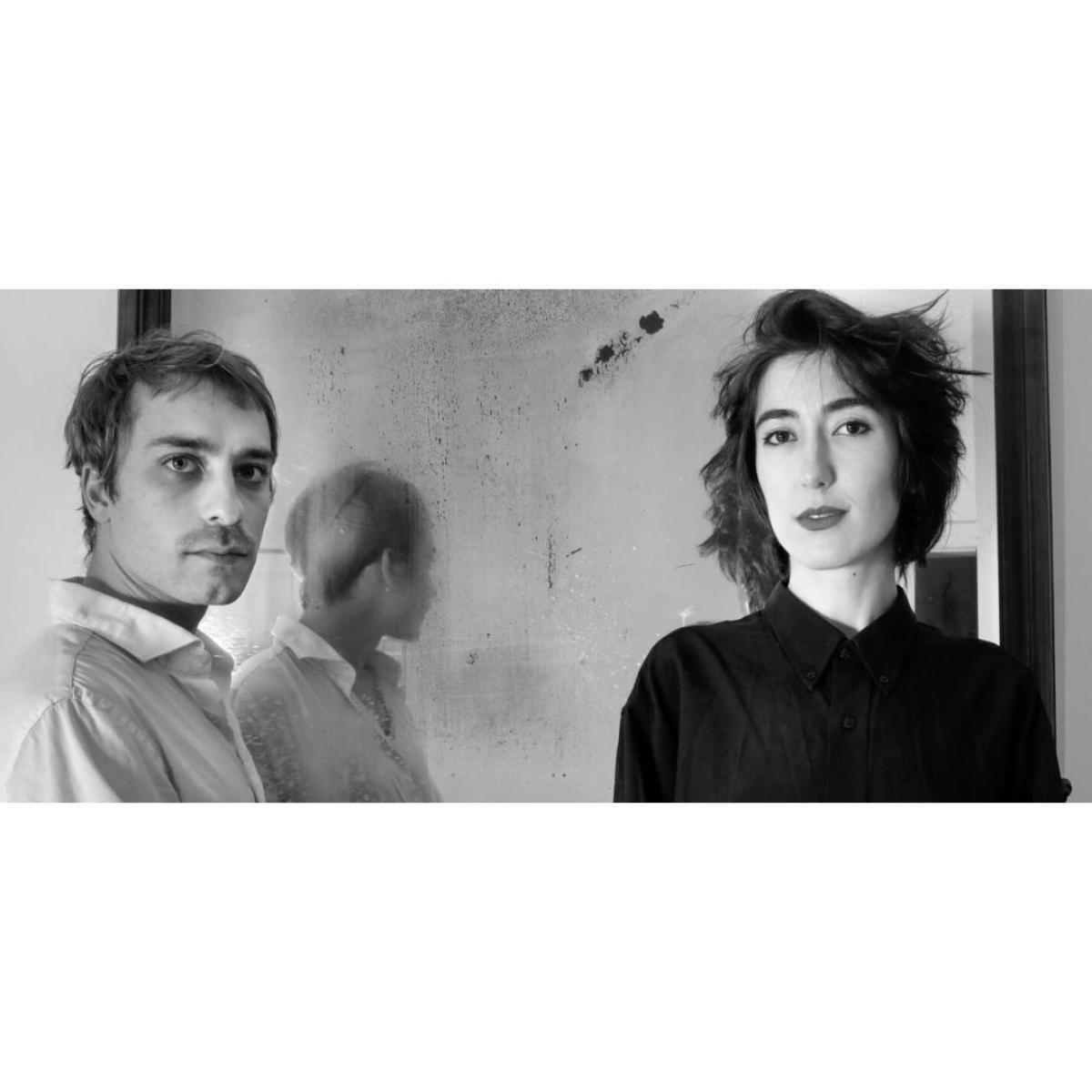
3 October 2025, 12:00–13:00, Waalse Kerk Breda (Catharinastraat 83, Breda)
Duo Naqqāli
Tickets € 5 (no reservation required)
Duo Naqqali, founded by mezzo-soprano Zoé Rialan and pianist Lucas Politi, makes classical music accessible by combining music, narration and education. Their captivating recitals bridge tradition with today’s audiences, infused with youthful energy and artistic precision. The name Naqqali is inspired by the Persian art of storytelling, in which a naqqal leads the audience through poetic tales. In the same way, Lucas and Zoé weave music and narrative into their performances, making each concert a unique experience.
Duo Naqqāli presents Histoires de Femmes, a recital that gives voice to women’s experiences through music and poetry. At its heart are Robert Schumann’s Frauenliebe und Leben and Gedichte der Königin Maria Stuart, works that trace both tender love and the tragic destiny of a queen. Francis Poulenc’s La Dame de Monte-Carlo, with words by Jean Cocteau, portrays the haunting solitude of a woman consumed by gambling and despair. Complementing these are two rarely heard gems by Pauline Viardot: the playful Sara la baigneuse and the poignant Berceuse cosaque, which reveal the composer’s wit and emotional depth. More than interpreters, Zoé Rialan and Lucas Politi are passionate about making classical music accessible to all. Their performances weave explanation, storytelling, and dialogue, guiding listeners through the emotions and contexts of each piece. This approach transforms the recital into a shared journey rather than a distant performance.

12 October 2025, 11:00–14:00, Kasteel Limbricht (Allee 1, Limbricht)
Filigran Duo
Tickets €39,50 (including Lunch and wines)
Join us for an Autumn-themed concert on the 12th of October as the Music Award Maastricht Grand Prize Winner violinist Theodore Kim and pianist Seulbi Cho present a delightful recital. This talented duo will perform a selection of timeless works by classical composers such as Schumann, Vivaldi, Saint-Saëns, Brahms and Wieniawski. Unlike a traditional recital, this event offers a full-day experience combining music, fine dining, and history. The day begins with a warm welcome at Kasteel Limbricht before moving to the charming Salviuskerkje, where the Filigran Duo will present the first part of the concert. Guests are then invited to enjoy a seasonal lunch paired with matching wines, before returning to the church for the second part of the performance. The day concludes back at the castle with coffee in a convivial setting. This unique format allows audiences not only to enjoy the beauty of chamber music, but also to share moments of connection over food and wine in a historic atmosphere.
Programme
Robert Schumann
Violin Sonata No. 1 in A minor, Op. 105 — 19’
I. Mit leidenschaftlichem Ausdruck
II. Allegretto
III. Lebhaft
Antonio Vivaldi
Concerto No. 3 in F Major, Op. 8, RV 293, "Autumn" — 10’
I. Allegro
II. Adagio molto
III. Allegro
Camille Saint-Saëns
Étude en forme de valse — 8’
Pause
Johannes Brahms
Violin Sonata No. 2 in A Major, Op. 100 — 18’
I. Allegro amabile
II. Andante tranquillo
III. Allegretto grazioso
Henryk Wieniawski
Faust Fantasy, Op. 20 — 17’
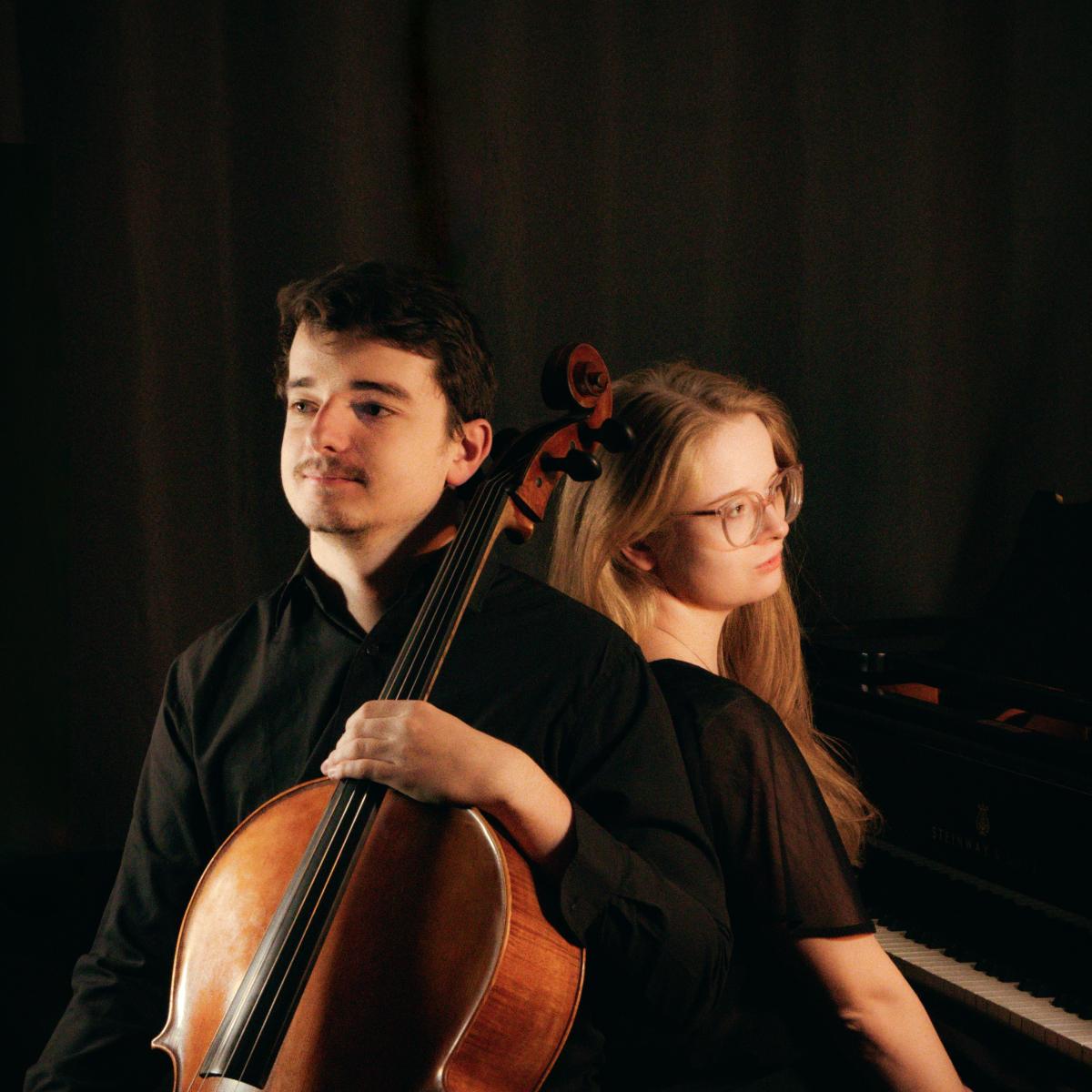
17 October 2025, 12:00–13:00, Waalse Kerk Breda (Catharinastraat 83, Breda)
Duo Líra
Tickets € 5 (no reservation required)
Programme:
J. S. Bach – Suite for Cello Solo No. 4 in E-flat major, BWV 1010
I. Prelude
L. van Beethoven – Piano Sonata Op. 26 No. 12 in A-flat major
I. Andante con variazioni
S. Rachmaninoff – Vocalise, Op. 34 No. 14
E. Bloch – From Jewish Life
I. Prayer
II. Supplication
III. Jewish Song
C. Debussy – Sonata for Cello and Piano in D minor
I. Prologue
J. Brahms – Sonata for Cello and Piano No. 1 in E minor, Op. 38
About the programme
The concert opens with two German giants: Bach and Beethoven. Bach's Suite for Solo Cello, consisting of six movements, is one of the six baroque cello suites written in 1720. This is followed by the first movement of Beethoven's piano sonata, a set of variations on a very gentle and elegant theme. The programme then moves forward in time to explore the singing lines of Rachmaninoff's Vocalise, originally written for voice. The first half of the concert concludes with a captivating blend of Jewish folk music and classical harmonies, presented in the deeply spiritual From Jewish Life by Bloch.
After the intermission, the programme turns to the theme of nature with Debussy's late work, the Sonata for Cello and Piano, inspired by the sea, followed by Brahms’ Cello Sonata, which evokes, according to the performers, a walk in the woods.
About Duo Líra
Duo Líra is a cello and piano duo by Péter Massányi and Sofija Subbotina with a fresh and sparkling energy who found their passion in exploring repertoire from different stylistic periods, aiming to create deep and diverse musical colours that bridge their inner worlds with those of the listeners. Formed in September 2023, this young duo has performed at various venues around Maastricht, such as Kapel Opveld and Koepelkerk, and has been complimented by their colleagues and professors on their natural and sensitive connection and complementing each other. Péter and Sofija have been, and continue to be, guided by renowned musicians, cellist Gustav Rivinius, and pianists Anastasia Safonova and Katia Veekmans.

23 October 2025, 12:30–13:20, Muziekgebouw Eindhoven (Heuvel 140, Eindhoven)
The Sonem Quartet
Tickets €4
The Sonem Quartet (Theodore Kim, Uxue Medrano Lopez, Helena De Bruyne and Péter Mássanyi) will perform a captivating lunchtime concert at Muziekgebouw Eindhoven, part of the venue’s renowned Lunchtime Concert series. We will have the chance to play for the first time in this hall two emotionally rich masterpieces of the Romantic repertoire. The programme opens with Rachmaninoff’s String Quartet No. 1, an early and rarely performed work that already reveals the composer’s lyrical depth; and Mendelssohn’s String Quartet No. 2 in A minor, Op. 13, a profound piece written when the composer was only 18, inspired by Beethoven and filled with youthful intensity and intricate counterpoint. The performance will take place in Small Hall, and there is a chance of having a small snack after the performance offered by the Auditorium.

9 November 2025, 11:30–12:30, Theater aan het Vrijthof (Vrijthof 47, Maastricht)
Undiqüe Quintet
Tickets €19.50 / Children €7.50
Programme
Astor Piazzolla (1921–1992)
La Muerte del Ángel (1965)
György Ligeti (1923–2006)
Six Bagatelles (1953)
Isaac Albéniz (1860–1909)
Selections from España (1890)
Arr. Bill Holcombe & Jr.
- Serenata
- Malagueña
Joaquín Turina (1882–1949)
Mujeres de España (1932)
Arr. José Luis Turina
- La gitana enamorada
- La florista
- La señorita que baila
- La murciana guapa
- La alegre sevillana
Paquito D’Rivera (b. 1948)
Aires Tropicales (1994)
- IV. Vals Venezolano
- VI. Contradanza
About the programme
The Death of the Angel and Other Stories invites listeners on a journey of transformation, where the “angel” becomes a metaphor for our shared human experience: fragile yet resilient, ever in search of connection. From Piazzolla’s knife fight in the shadowy streets of Buenos Aires to Ligeti’s introspective miniatures, from the vibrant latinamerican dances of D’Rivera to Albéniz and Turina’s evocative portraits of Spanish life, the program weaves together stories of identity, migration, and memory. Through these contrasting voices, the concert becomes a reflection on belonging; each of us are stories, and because stories do not exist in insolation, neither do we. Our stories are to be told and heard, that’s how we find we are all connected.
More about Undiqüe Quintet
“Undiqüe" , meaning "from everywhere" in Latin, is a wind quintet that celebrates the rich tapestry of global cultures through music. As five musicians with roots spanning Latin America and Spain, we offer audiences a unique blend of classical and folkloric sounds, reimagined through the lens of migration and belonging. Each performance is a journey, transporting listeners across borders and back home through the universal language of music. At a time when division is rife, Undiqüe seeks to unite, offering the world a tribute to every nation through the shared experience of sound. “

20 November 2025, 12:30–13:20, Muziekgebouw Eindhoven
Junior Conservatorium Maastricht - (Heuvel 140, Eindhoven)
About the Programme
During this special presentation, students from the Junior Programme will showcase their compositions. Under the guidance of Andrea Boga Sanchez, these young talents bring their work to life. The presentation will be hosted by Alejandro Serena Llinares.
Come and experience the creativity and musical diversity of the next generation.
In the past, Moving Concerts featured:
2024-2025: Khroma Duo, Trio Semyan, Trio Semyan Junior Conservatorium Maastricht, Mühlfeld Trio, Filigran Duo, Triolé, Duo Lys, Farnoosh, Ricercarduo, Reed and String Duo, Ondine Quartet, Lied Class, Duo Naqqali, Duo Lira.
2023-2024: Duo Crandal-Hebeisen, Duo Gatta-Testa, Duo Magnolia, Junior Conservatorium, Khroma Duo, Lilium Duo, Living Composers Project, Mühlfeld Trio, Osimun Quartet, Tonia Ioannou and Vassilis Poulios & Edoardo Gatta, Trio Semyan, Huayu Gu & Huajin Gu, Mühlfeld Trio, Filigran Duo, Triolé, Duo Lys, Reed ’n String Duo, Junior Conservatorium Maastricht, Vocal Class, Saxophone Ensemble, Ondine Quartet, Ondine Quartet.
2022-2023: Antonio Molina García and Marcos Álvarez González, Doré Quartet, Junior Conservatory, Les Pianos Folies, Mühlfeld Trio, Omnes Terminos, Osimun Quartet and Tonia Ioannou.